
Top 5 Economic Concepts Travelers Experience in Real Life from Budgeting to Exchange Rates

Traveling offers more than just new sights and experiences. It also provides a unique chance to see economic concepts in action. As someone who loves both economics and travel, I find it fascinating how everyday decisions on the road reflect key economic principles. Whether you’re choosing between two destinations, managing a travel budget, or dealing with currency exchange, these moments bring economics to life in practical ways. Here are the top five economic concepts travelers encounter and how they play out during a trip.

1. Opportunity Cost When Choosing Destinations
One of the first economic lessons travelers face is opportunity cost. This concept means that when you choose one option, you give up the benefits of another. For example, imagine you have two potential destinations: a beach town known for relaxation and a mountain city famous for hiking. You can only visit one due to time or budget constraints.
Choosing the beach means you miss out on the mountain’s trails and views. Choosing the mountain means you forgo the beach’s calm and sun. This trade-off forces you to weigh what you value more. Opportunity cost helps travelers understand that every choice has a cost beyond just money — it includes time, experience, and enjoyment.
2. Budgeting and Scarcity of Resources
Travel budgets highlight the economic concept of scarcity. Money, time, and energy are limited resources, so travelers must allocate them carefully. Budgeting involves deciding how much to spend on flights, accommodation, food, and activities. This process mirrors how households and businesses manage scarce resources.
For example, if you spend more on a luxury hotel, you might need to cut back on dining out or souvenirs. Budgeting also teaches prioritization. You might decide that a guided tour is worth the cost, but a fancy dinner is not. This balancing act reflects real-world economic decisions about how to use limited resources to maximize satisfaction.
3. Exchange Rates and Currency Conversion
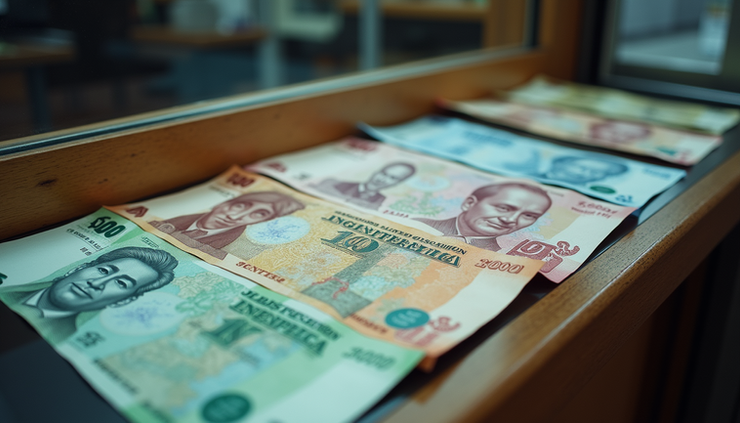
When traveling internationally, exchange rates become very real. Exchange rates determine how much foreign currency you get for your home currency. These rates fluctuate daily based on global economic factors. Understanding exchange rates helps travelers get the best value for their money.
For instance, if the exchange rate between the US dollar and the euro is 1 USD to 0.90 EUR, a $100 bill converts to 90 euros. If the rate changes to 1 USD to 0.85 EUR, the same $100 gets you fewer euros. This affects how much you can spend abroad and influences decisions like when to exchange money or whether to use credit cards.
4. Supply and Demand in Travel Services
Travelers also witness supply and demand in action. Prices for flights, hotels, and tours often rise or fall based on demand. During peak seasons or holidays, demand increases, pushing prices higher. Conversely, in off-peak times, lower demand can lead to discounts and deals.
For example, booking a flight months in advance during a busy travel season usually costs more than booking last minute in a low-demand period. This dynamic helps travelers understand how markets respond to consumer behavior and how timing affects costs.
5. Comparative Advantage and Specialization
Comparative advantage explains why some destinations specialize in certain goods or services. Countries or regions focus on what they can produce most efficiently. Travelers see this in local products, cuisine, and services.
For example, a region known for wine production will offer unique vineyard tours and local wines at better prices than elsewhere. Another place might specialize in handmade crafts or seafood. Recognizing comparative advantage helps travelers appreciate why certain experiences or products are unique to specific locations and why trade benefits everyone.
Bringing Economics to Life on Your Next Trip
Traveling turns abstract economic ideas into concrete experiences. When you decide between destinations, manage your budget, exchange money, or notice price changes, you’re engaging with fundamental economic concepts. These lessons deepen your understanding of how economies work and how individuals make choices under constraints.
For economic educators, sharing these real-life examples can make teaching more relatable. Encouraging students to observe these concepts during travel helps connect theory with practice. Next time you plan a trip, pay attention to these economic forces at play. They offer valuable insights into decision-making and market dynamics that shape our world.


Comments